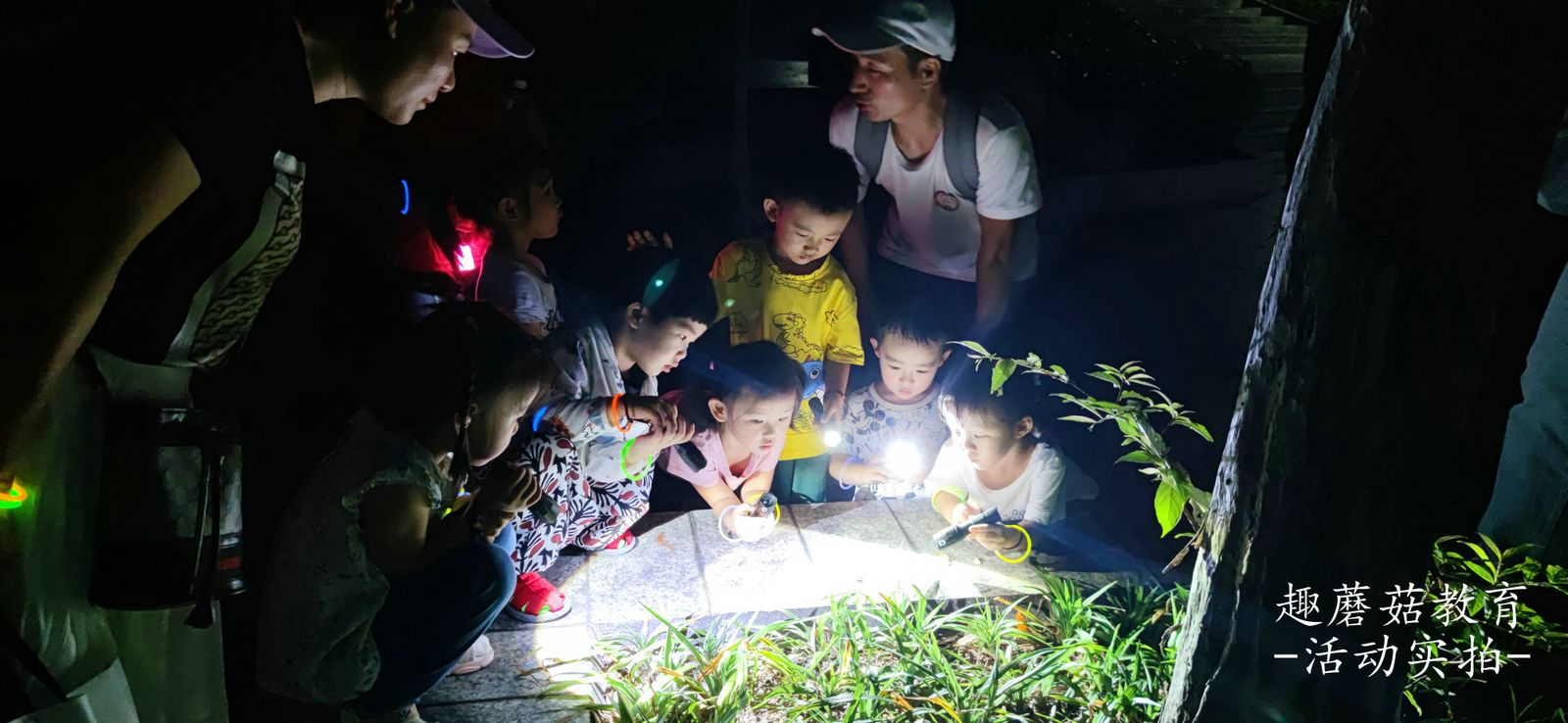
South China in summer is hot, humid and absolutely alive at night. A short walk in any city park after dark turns up geckos on the walls, tree frogs in the lily ponds, cicadas climbing out of their shells, and — if you are very lucky — a green bamboo snake sleeping in the bushes.
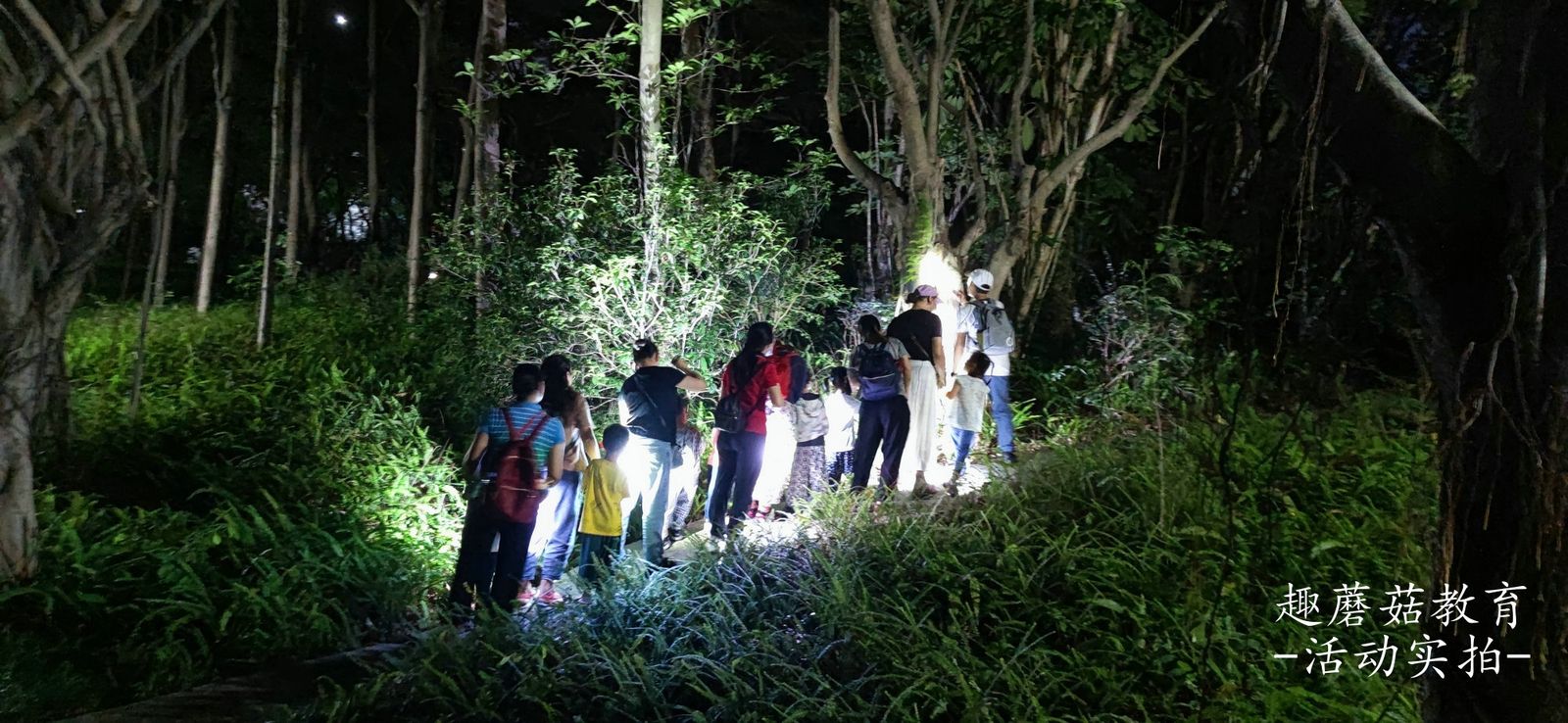
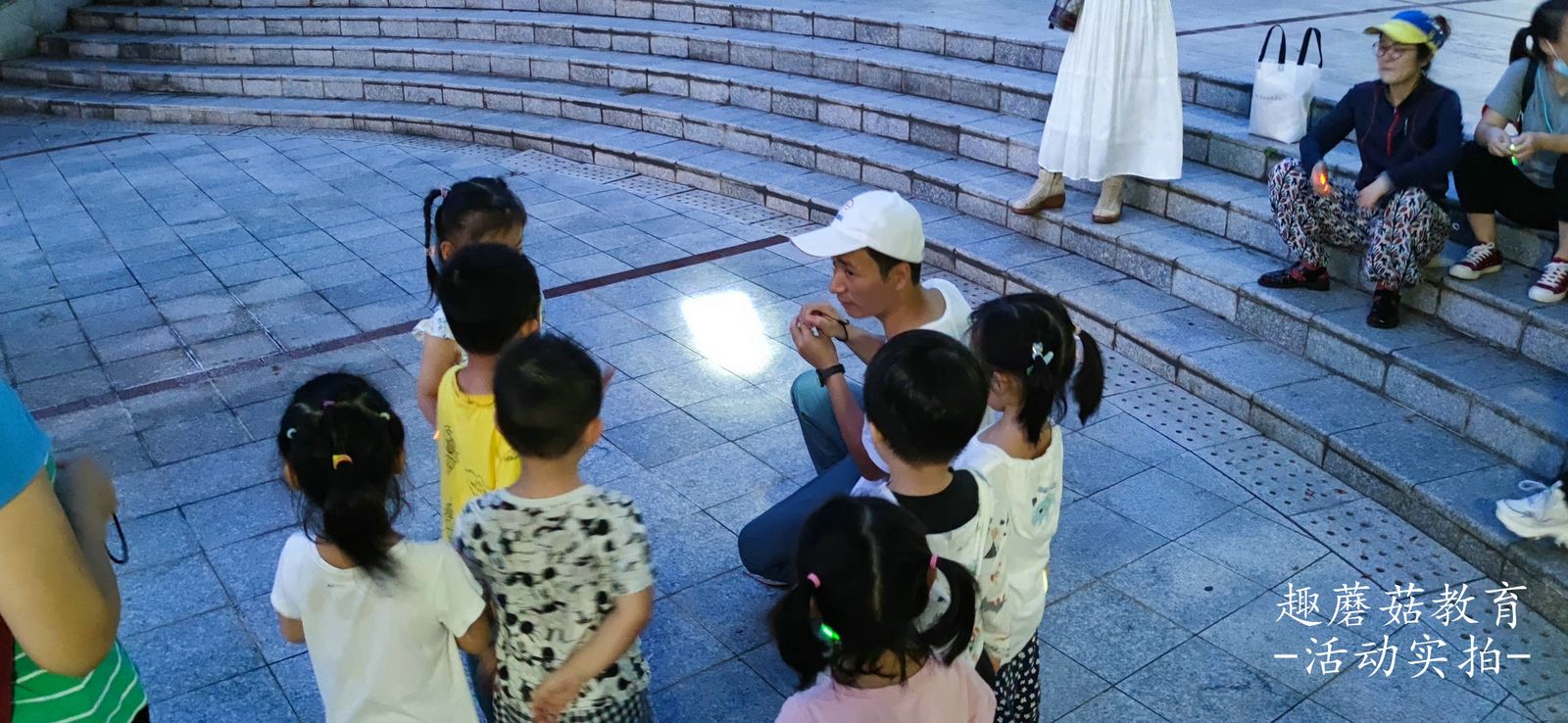
Our night walks start with a 15-minute briefing. The kids learn how to hold a torch without blinding each other, how to walk slowly and look low, and the one rule that matters most: never grab. Anything you grab will probably bite you. Anything you look at carefully will probably stay long enough for a photo.
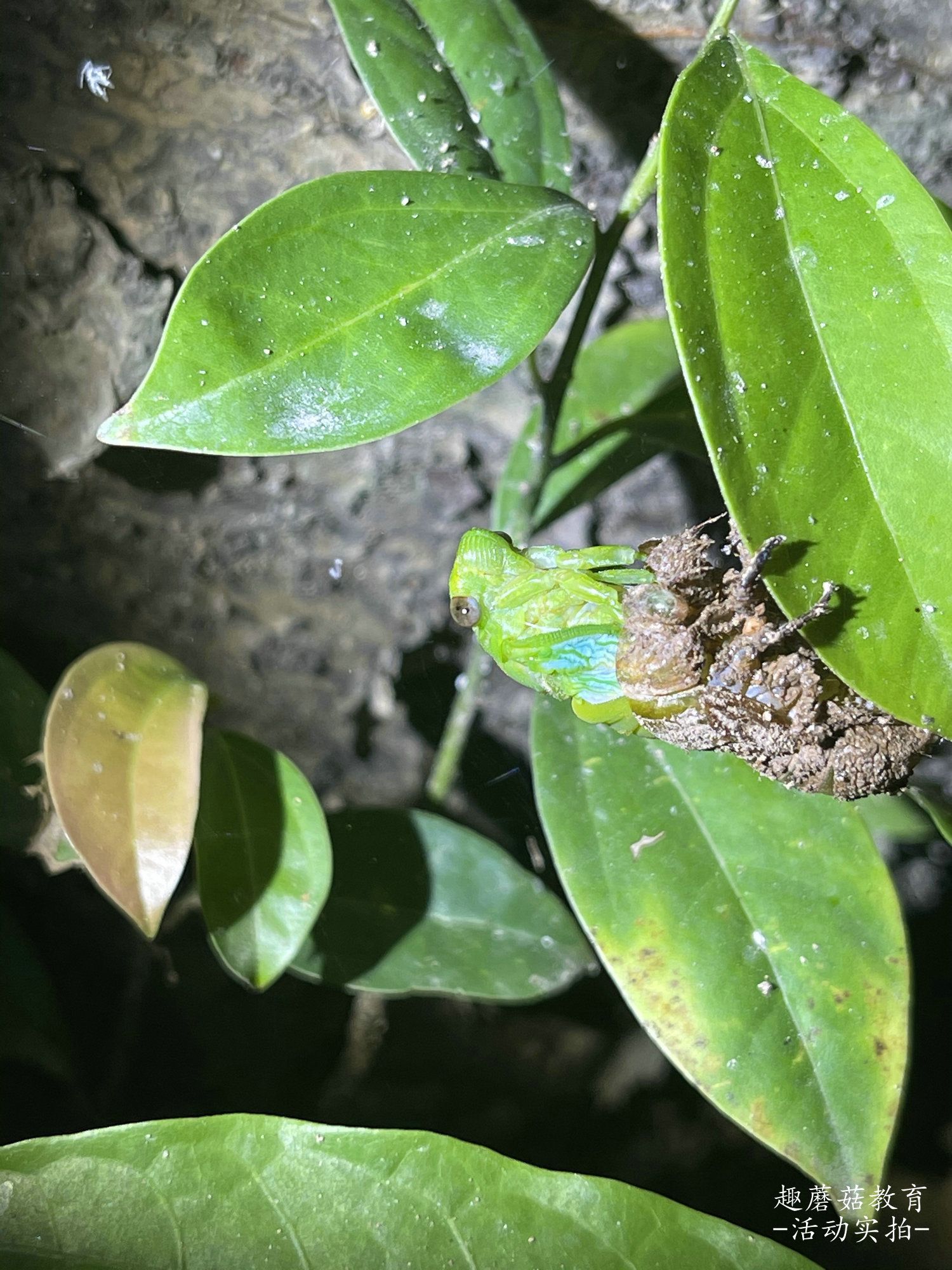
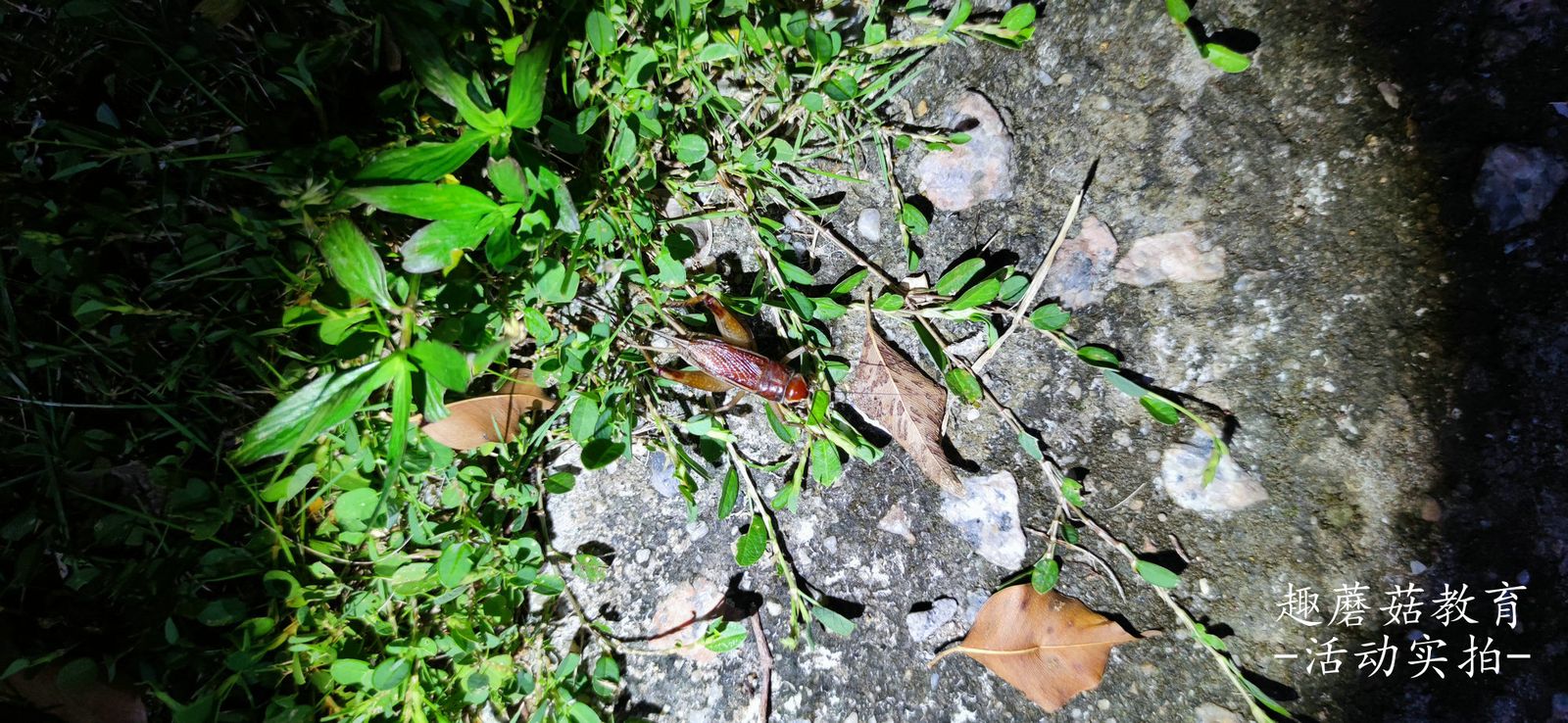
On this particular July evening, the children found a molting cicada still soft and pale, a tree frog with bright-green eyes, a fat bush-cricket that nobody could catch, and — the highlight of the night — a small green bamboo snake curled around a branch above the path. Calm. Still. Completely uninterested in twelve kids pointing torches at it from two metres away.
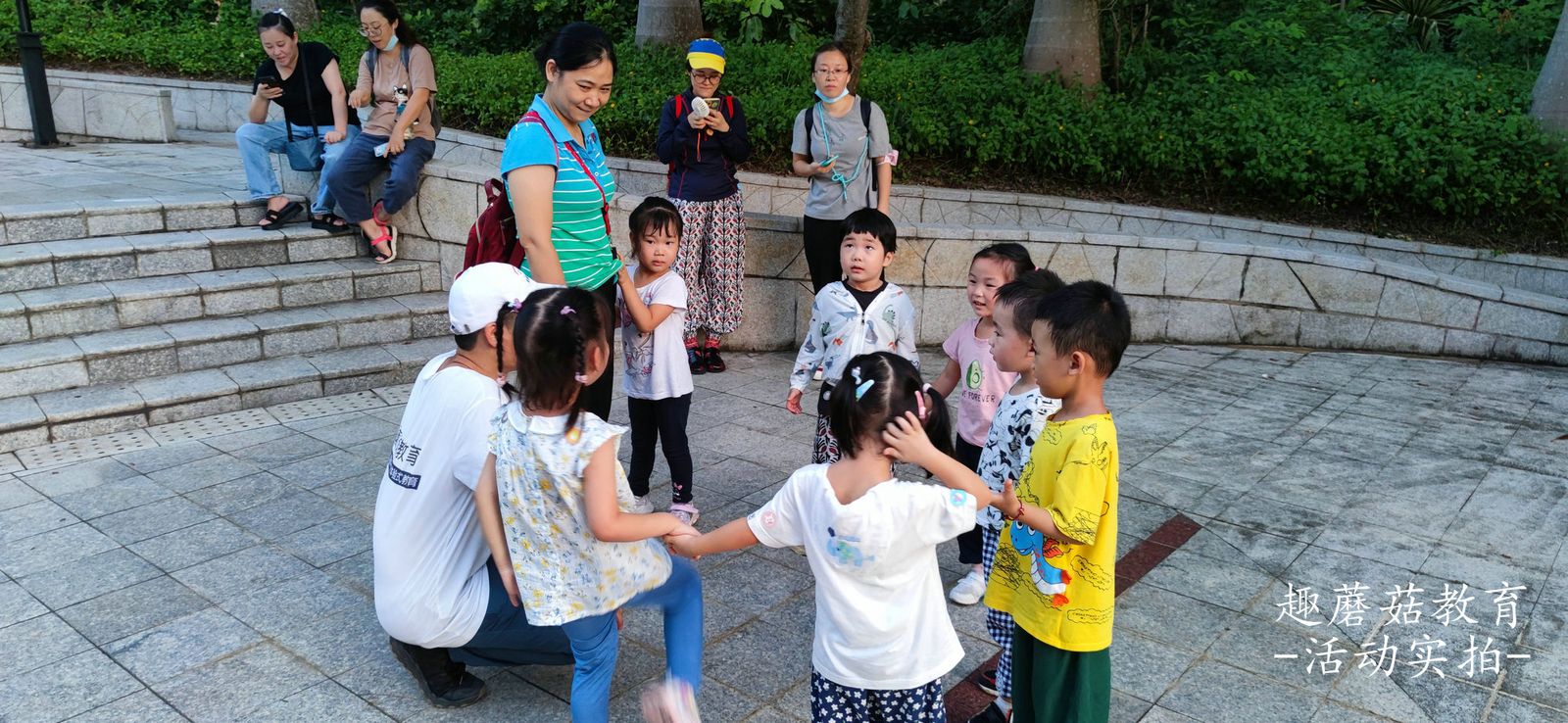
The walk ends with the five-senses game: each child picks one thing they heard, one thing they smelt, one thing they touched. By the time they leave the park, they have reconnected with a side of nature their daytime selves never see.
What actually comes out
People come expecting fireflies. What they get is stranger and much closer. On the walls of the park's older buildings you will find geckos lying flat against the concrete, waiting for the moths that the lights pull in. In the lily ponds the tree frogs are loud out of all proportion to their size — one male can sound like a small machine running. Cicadas climb out of their shells on tree trunks and sit there while their wings harden, soft and pale for the first half hour of their adult lives, which is the only window in which they are easy to catch and the only window in which we ask kids not to.
The plants are running a night shift too, and once you know it, a dark park stops looking empty. The African tulip tree, with its flame-coloured flowers, releases its scent after dark specifically to draw in bats for pollination; by day it switches to colour, because birds are the ones flying then. The rose apple works the same trick in the other direction — butterflies, bees and ants take its flowers during the day, and bats take the nectar shift at night. Even the little white-flowered beggarticks that ends up stuck to your socks is running two services: a canteen for butterflies and bees by day, a canteen for moths after dark. You are walking through a shift change.
How we run a night walk
We keep the groups small — six kids minimum, and we would rather run twelve than thirty. Every walk opens with a briefing that covers three things: how to hold a torch so you light the ground instead of your friend's eyes, how to walk slowly and look low rather than sweeping the beam around, and the one rule that decides how the whole evening goes — never grab. Nothing in a Shenzhen park at night is out to get you, but anything you grab will defend itself. Anything you look at calmly will usually stay put long enough for a photograph.
White light is the enemy of a night walk. We ask families to bring a headlamp with a red mode, or a torch with a sheet of red cellophane over the lens, because red light lets your eyes stay adapted to the dark and disturbs animals far less. It also keeps the group legible: one red beam is a person, a scatter of white beams is chaos.
What to bring, and what to leave at home
Closed shoes rather than sandals. Long trousers tucked into socks, which sounds excessive until the first mosquito finds an ankle. A light long-sleeved layer, because a park that is 32°C at four in the afternoon can be genuinely cool under the canopy at nine. Water. Insect repellent applied at home rather than sprayed in a cloud at the trailhead. Skip the white T-shirt if you have a choice — pale fabric throws a lot of light straight back into the group's eyes.
Leave the net and the jar at home. The point of the evening is not to collect anything. In all the years we have run these walks, exactly one animal has come home with us, and it was a very small snail that had climbed into a water bottle on its own.
When to come
Night walk season in Shenzhen runs roughly April to October, with a peak in May and June when the frogs are calling and the cicadas are emerging. A warm evening two or three days after rain is the best bet: the ground is damp, the frogs are out, and the leaf litter is busy. January nights are beautiful and almost silent — a different walk, worth doing once, but not the one to bring a first-timer to.